• Hey Guest!
    British Car Forum has been supporting enthusiasts for over 25 years by providing a great place to share our love for British cars. You can support our efforts by upgrading your membership for less than the dues of most car clubs. There are some perks with a member upgrade!

    **Upgrade Now**
    (PS: Upgraded members don't see this banner, nor will you see the Google ads that appear on the site.)
Tips
Tips

wallpaper removal driving me nuts!

NutmegCT

Great Pumpkin
Bronze
Offline
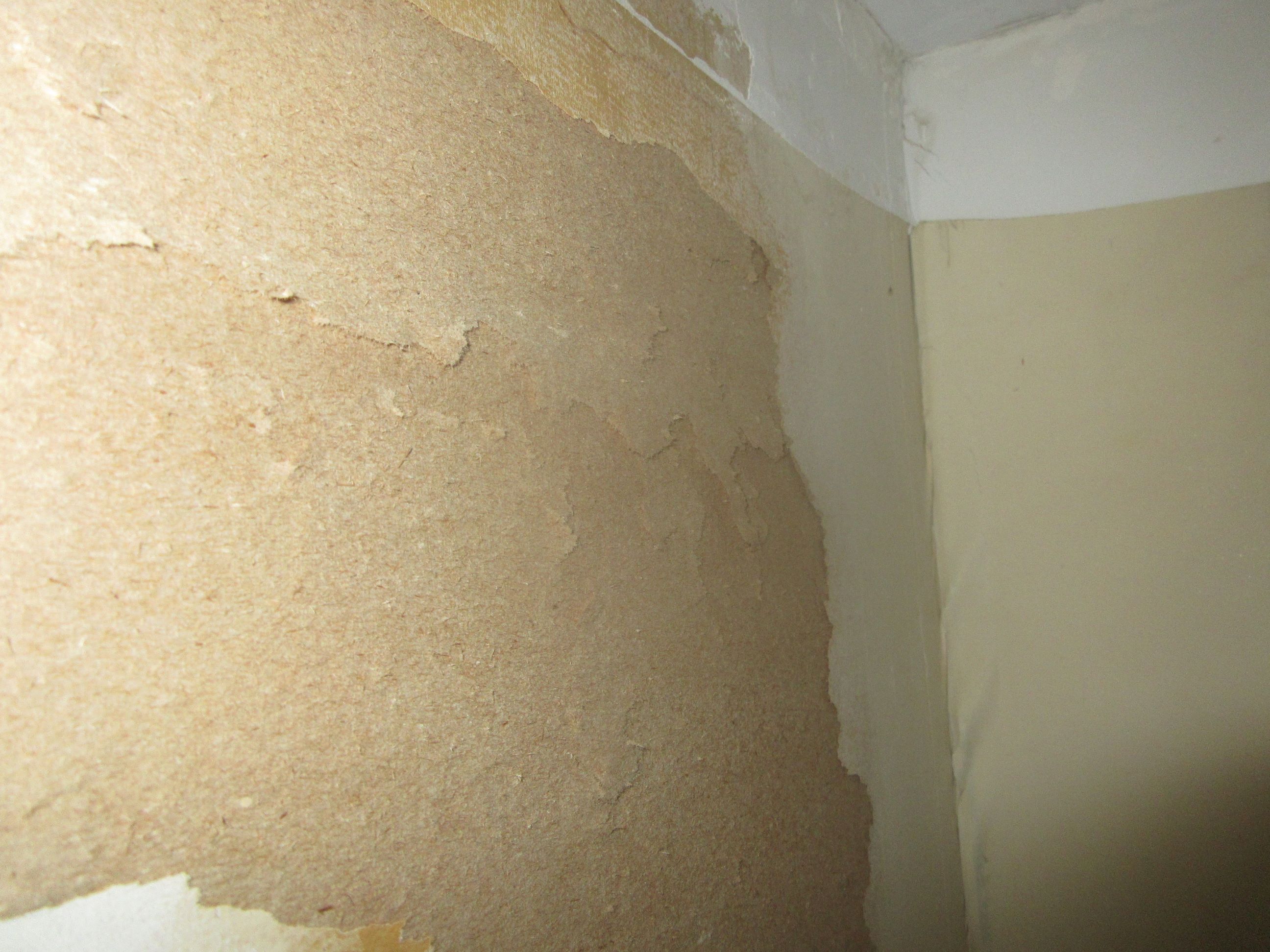
Decided the 1965 era wallpaper needed to go. Amazing. Once removed, I plan to paint the wallboard surface.

The paper is self-stick, so a heat gun makes removal relatively painless. B U T ... sometimes pulling the wallpaper off also removes some of the paper facing of the wallboard.

IMG_2039 reduced.JPG


Oh Great Experienced Ones! How should I deal with this? Paint with some kind of sealer? sand it down, then use a primer? or ...

Thanks.
Tom M.
 
Smarter folks than me will chime in, please consider their advice above mine 😛

I would skim coat that with plaster. I use a few coats of sheetrock “easy sand” from the orange box store. There are a million types of plaster available, again smarter people than me would know better.
 
Thanks Mike! When you say skim coat with plaster, how would you handle the loose edges of paper you can see in the photo?

Could you give a link to the type of plaster you'd use for the skim coat?

TM
 
Thanks Hamish. when you say plain lining paper, do you mean paste/glue it over the newly stripped surface? I don't need to smooth/remove the ragged pieces?

TM
 
In the uk lining paper is just a plain thick paper on a role designed to “paper over the cracks” or wall imperfections. Yours may need a little sanding to remove high spots
And wall paper paste it on.
Sometimes across the wall if you are papering over it.
Eg

But I understand this is a uk site.
 
Thanks Hamish. The wallaper was a garish 1960s "yellow flowers" design. I'll be painting the walls next.
 
Thanks Bob. As it's self-adhesive from the 60s, with my luck after I paint it over, the paper would then starting peeling off!
 
Thanks Mike! When you say skim coat with plaster, how would you handle the loose edges of paper you can see in the photo?

Could you give a link to the type of plaster you'd use for the skim coat?

TM
The plaster I use: > Sheetrock® Brand Easy Sand™ 45 Joint Compound | USG <

I like the mix-it-yourself better than the pre-mixed joint compound because it dries harder and faster; but it does require mixing and cleaning of the mixing tray after every batch - not to mention a short working time. (It is a chemical set; once cured, water will not soften it. Any clumps remaining in the mixing pan will become “rocks” in the next batch. Pre-mixed joint compound in a bucket will re-soften when wet. For that reason, many prefer the bucket of joint compound; you can “sand” it with a wet sponge.)

I would trim the loose bits of paper as best as you can with a utility knife. Then apply a thin layer of the joint compound. Let it set, knock off the high spots with a putty knife, and repeat until the wall is flat to your liking.

If you sand, use a proper respirator. The silica is terrible for your lungs - and be prepared for a mess to vacuum. (I have a Hepa-rated vacuum.)
 
Some advice from a professional: > Repairing Drywall After Removing Wallpaper - Fine Homebuilding <

Mike Mulvey, a plaster specialist from Amenia, N.Y., replies: Whenever I repair walls that have had wallpaper stripped from them, I first sand down any high spots around the exposed brown paper using 100-grit or 120-grit paper. I like to use a Festool dustless sanding system on my jobs, but any sandpaper that is manufactured for sanding drywall compound is fine.

“Next, I paint all the brown paper with Zinsser’s BIN pigmented shellac to seal it. Once the shellac is dry, I do a light hand-sanding, again with 100-grit or 120-grit paper. Sometimes the shellac lifts the paper in other areas and it’s not always noticeable by eye. Hand-sanding lets me run my fingers over the surfaces and find hollow points. If this occurs, I peel these areas back to the brown paper and repeat.

“I fill deeper voids with a setting compound such as Durabond. It doesn’t shrink like other taping compounds and reduces the number of coats needed. After that dries, I use USG’s Easy Sandor any USG joint compound as an additional coat, depending on the time frame. Easy Sand is a setting compound and will be sandable more quickly than regular joint compound.

“If the walls have a lot of damage, skim-coating the whole wall is a better option. After repairing the deep damage with Durabond and allowing it to dry totally, I skim the whole surface with USG All Purpose compound (the stuff with the green lid). Sometimes it’s helpful to water down the first coat of compound and apply it with a 1/2-in.-nap paint roller and then knock it down with a large, 24-in. skim-coat blade. Use a limp-wristed, light-pressure approach on this coat. After this coat dries, cover the bubbles or trowel marks with a second coat and then sand it with 220-grit sandpaper and prime with a drywall-specific primer.”

 
Decided the 1965 era wallpaper needed to go. Amazing. Once removed, I plan to paint the wallboard surface.

The paper is self-stick, so a heat gun makes removal relatively painless. B U T ... sometimes pulling the wallpaper off also removes some of the paper facing of the wallboard.

View attachment 108704

Oh Great Experienced Ones! How should I deal with this? Paint with some kind of sealer? sand it down, then use a primer? or ...

Thanks.
Tom M.
In doing my bathroom remodel I had to deal with a similar situation of the drywall paper getting removed (not due to wall paper, but the effect was the same.). Here is what I recommend based on my research at the time:

1. Use something like a putty knife or razor scraper to remove anything loose, bubbled, or ragged. Be careful not to keep peeling deep into good drywall — just get rid of any excess.​


2. Next, and this is important, you'll want to seal the exposed drywall paper. This stuff from Home Depot is made for "problem surfaces": https://www.homedepot.com/p/Zinsser...-Problem-Surface-Sealer-6-Pack-2304/205145658


3. After the sealer dries, skim coat the damaged area using just premix joint compound (use a 6 or 12" drywall knife). Be sure to feather the edges.​


4. Sand smooth after the skim coat dries using 120-220 grit (I think I used 120)​


5. Primer the wall completely with drywall primer, then paint!​

 
Back
Top