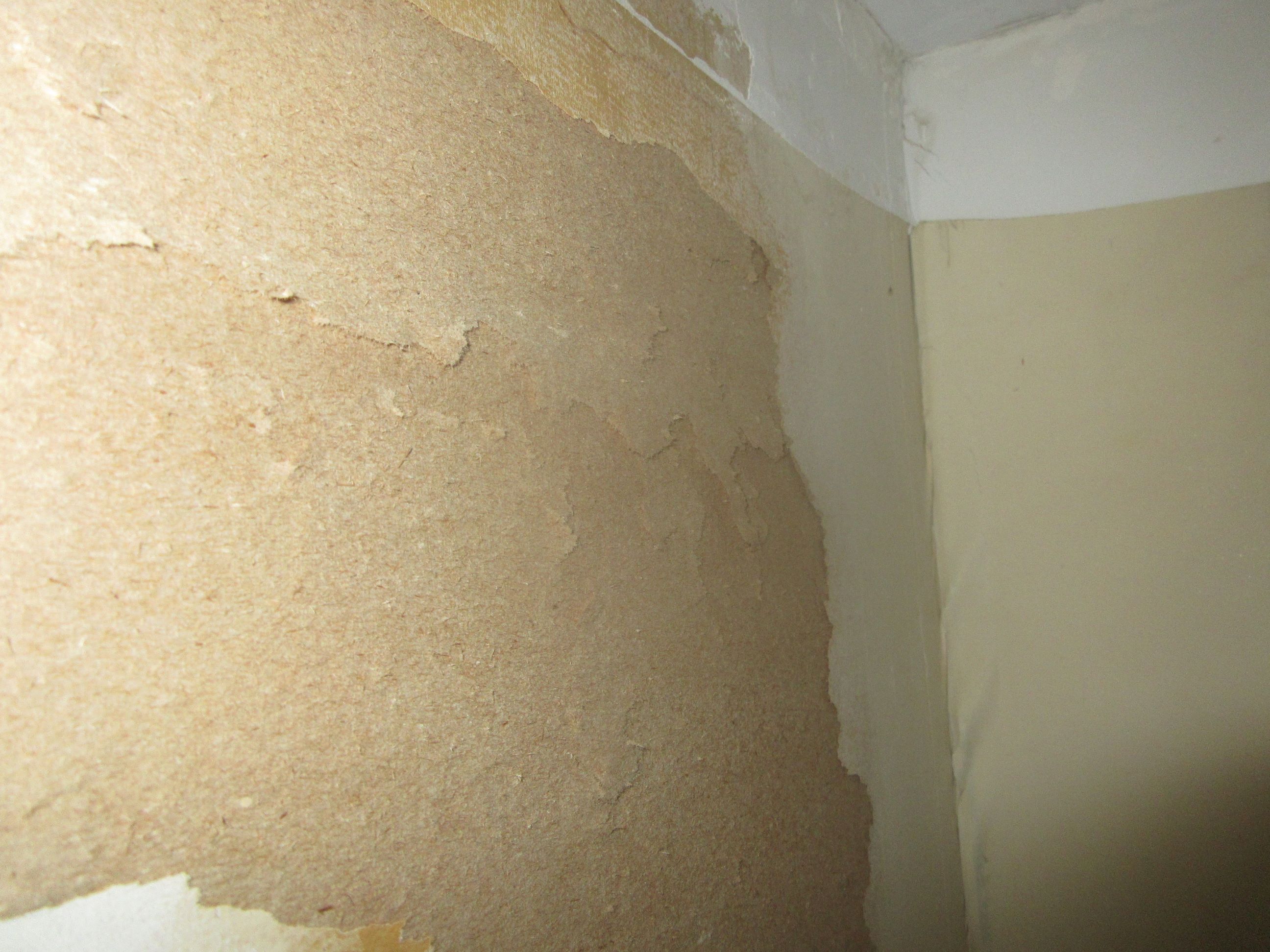
Some advice from a professional:
> Repairing Drywall After Removing Wallpaper - Fine Homebuilding <
“
Mike Mulvey, a plaster specialist from Amenia, N.Y., replies: Whenever I repair walls that have had wallpaper stripped from them, I first sand down any high spots around the exposed brown paper using 100-grit or 120-grit paper. I like to use a Festool dustless sanding system on my jobs, but any sandpaper that is manufactured for sanding drywall compound is fine.
“Next, I paint all the brown paper with
Zinsser’s BIN pigmented shellac to seal it. Once the shellac is dry, I do a light hand-sanding, again with 100-grit or 120-grit paper. Sometimes the shellac lifts the paper in other areas and it’s not always noticeable by eye. Hand-sanding lets me run my fingers over the surfaces and find hollow points. If this occurs, I peel these areas back to the brown paper and repeat.
“I fill deeper voids with a setting compound such as Durabond. It doesn’t shrink like other taping compounds and reduces the number of coats needed. After that dries, I use
USG’s Easy Sandor any USG joint compound as an additional coat, depending on the time frame. Easy Sand is a setting compound and will be sandable more quickly than regular joint compound.
“If the walls have a lot of damage, skim-coating the whole wall is a better option. After repairing the deep damage with Durabond and allowing it to dry totally, I skim the whole surface with
USG All Purpose compound (the stuff with the green lid). Sometimes it’s helpful to water down the first coat of compound and apply it with a 1/2-in.-nap paint roller and then knock it down with a large, 24-in. skim-coat blade. Use a limp-wristed, light-pressure approach on this coat. After this coat dries, cover the bubbles or trowel marks with a second coat and then sand it with 220-grit sandpaper and prime with a drywall-specific primer.”


 Hey Guest!