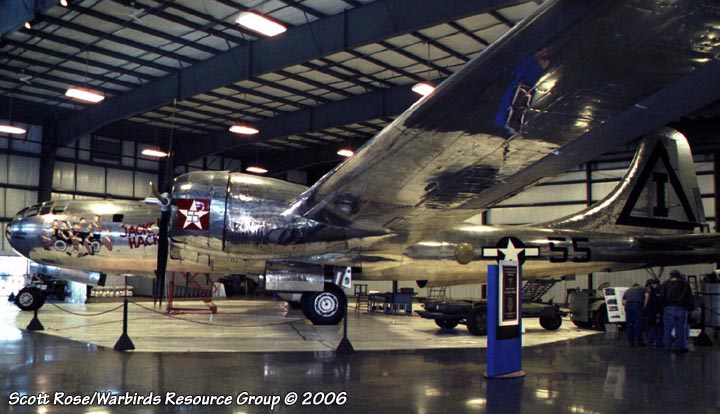
I've excavated (with permission) a handful of crash sites, but I also do extensive research on the people involved, as the stories of the people are more important than the metal. For example, one of pilots killed in a DC-3 crash in Clarksburg, Maryland in June 1957 originally enlisted in the RCAF prior to America's entry into the war. I was able to obtain his RCAF records, which I promptly turned around and passed along to the family, which contained information that his son, daughter and grandchildren never knew about him. I also obtained photos the family had never seen before.
The metal pieces are important for one reason: In Maryland, finding evidence of these pieces can lead to the site being designated a Historic Archaeological Site, which can prevent development of the site. No one wants a Burger King on the spot where the loved ones perished.
In my experience, this line of research tends to bring closure rather than open old wounds. Again, in the Clarksburg incident, one of the families had been searching for years to find out more information and to find the specific location. When I found them, they were very enthusiastic to finally learn "the full story". In the same instance of the ex-RCAF pilot, his 93 year old widow found her closure when her grandson visited the site and relayed to her how peaceful the location was, and would be preserved as such for perpetuity. I also think the families, once they fully understand what you're doing are grateful that someone else wants to remember their loved ones.



 Hey Guest!