has anybody rigged an aftermarket pcv valve... my original is missing the cap, so I made one to test the motor and it SUCKS!!!! LITERALLY... MAJOR VACCUM LEAK.don't wanna spend 60 bucks for a unit when all I need is a cap. has anyone rigged an aftermarket checker or auto zone type valve?


-
 Hey Guest!
British Car Forum has been supporting enthusiasts for over 25 years by providing a great place to share our love for British cars. You can support our efforts by upgrading your membership for less than the dues of most car clubs. There are some perks with a member upgrade!**Upgrade Now**
(PS: Upgraded members don't see this banner, nor will you see the Google ads that appear on the site.)
You are using an out of date browser. It may not display this or other websites correctly.
You should upgrade or use an alternative browser.
You should upgrade or use an alternative browser.
pcv valve?
- Thread starter mtlman8
- Start date

trrdster2000
Luke Skywalker
Offline
mtlman8, Drill a 1/16 hole in the circle. You need it to equalize pressure.
Wayne
Wayne

dklawson
Yoda
Offline
Poolboy posted a picture showing the schematic of a generic PCV valve installed on a Triumph. I'd post a link to that old thread... but the search feature doesn't appear to be working for me at the moment. Perhaps send Poolboy a PM to see if he will send you a copy of the picture.

poolboy
Yoda
Offline
I think this was it, Doug.
It's Richard Good's idea.
He puts the brass "T" in the brake servo's vacuum line; then runs a hose with a PCV valve from the "T" to the Valve Cover evacuation nipple.
Like so:

https://www.goodparts.com/shop/index.php?productID=253
The particular PCV valve he sells has no mfg. identification, just V172 (made in USA)
It's Richard Good's idea.
He puts the brass "T" in the brake servo's vacuum line; then runs a hose with a PCV valve from the "T" to the Valve Cover evacuation nipple.
Like so:
https://www.goodparts.com/shop/index.php?productID=253
The particular PCV valve he sells has no mfg. identification, just V172 (made in USA)
I purchased the PCV kit from Richard Good and installed the PCV valve as indicated in the above listed diagram. However, you must remember the PCV valve is a controlled vacuum leak. What I experienced is by inserting the PCV valve in the brake servo line I lost the brake servo assist after applying the brakes three or four times. Not a fun time…
I am now at plan “B” installing an electric 1996 Mustang Cobra smog pump to pull a vacuum for crankcase ventilation. My plan is to locate the electric smog pump in place of the charcoal canister. Then utilize the wiring from the oil pressure switch, for the charcoal canister fuel tank vent, as a switch for the relay controlling the electric smog pump operating circuit. Since I am also running the Good cold air intake and triple carburetor system I will add a bung and fitting connecting the pressure side of the smog pump to the cold air intake by the air filter. The vacuum side will go to an oil/air separator at top of the catch can preventing oil contamination within the electric smog pump. The rocker cover line will be connected to the side of the catch can. The bottom of the catch can is returning to the crankcase via the mechanical fuel pump mounting location. (I have an electric fuel pump.) Connected also to the return line to the crankcase will be the carburetor vent line. The installation should be completed within the next two weeks… My research indicates that with 6 inches of mercury at the crankcase should result in a two to three percent HP increase. That will be an added plus as the goal is preventing the TR6 from “marking its spot” wherever it’s parked.
I am now at plan “B” installing an electric 1996 Mustang Cobra smog pump to pull a vacuum for crankcase ventilation. My plan is to locate the electric smog pump in place of the charcoal canister. Then utilize the wiring from the oil pressure switch, for the charcoal canister fuel tank vent, as a switch for the relay controlling the electric smog pump operating circuit. Since I am also running the Good cold air intake and triple carburetor system I will add a bung and fitting connecting the pressure side of the smog pump to the cold air intake by the air filter. The vacuum side will go to an oil/air separator at top of the catch can preventing oil contamination within the electric smog pump. The rocker cover line will be connected to the side of the catch can. The bottom of the catch can is returning to the crankcase via the mechanical fuel pump mounting location. (I have an electric fuel pump.) Connected also to the return line to the crankcase will be the carburetor vent line. The installation should be completed within the next two weeks… My research indicates that with 6 inches of mercury at the crankcase should result in a two to three percent HP increase. That will be an added plus as the goal is preventing the TR6 from “marking its spot” wherever it’s parked.

martx-5
Yoda
Offline
This guy goes through five iterations of a PCV system until he gets one to work properly on his GT6. I posted the fifth. You can click back on the others to see the progression.
poolboy
Yoda
Offline
big6, the wiring on the OP switch that you referred to as being for "fuel tank vent". is actually for the Anti Run-on Valve. The wire (WP) in that circuit from the OP switch is the ground (-) until the OP drops, but the positive (+) (NR) for that circuit comes from the ignition switch and is hot only when the key is in the "OFF" position.
If you have the ZS carbs, and your engine does not have excessive blow-by due to worn piston rings or the like, there really is enough vacuum in the carbs' evacuation nipples as designed to handle the crankcase pressure.
Too much plumbing may lead to a build up of emulsification inside the hoses and reduce the efficiency and eventually a build up of unrelieved crankcase pressure.
Because of that I went from this:
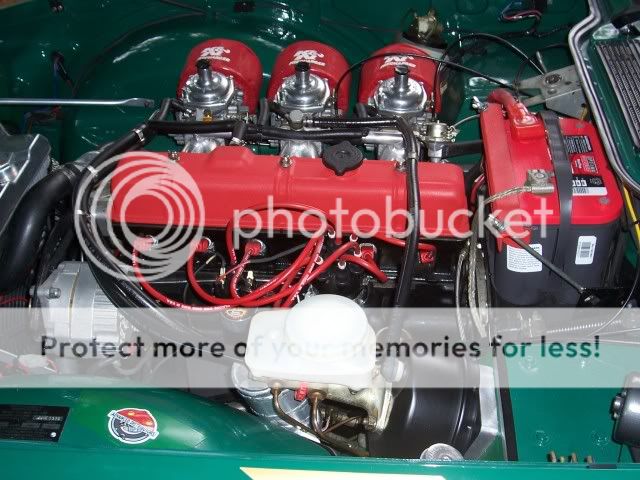
To this:
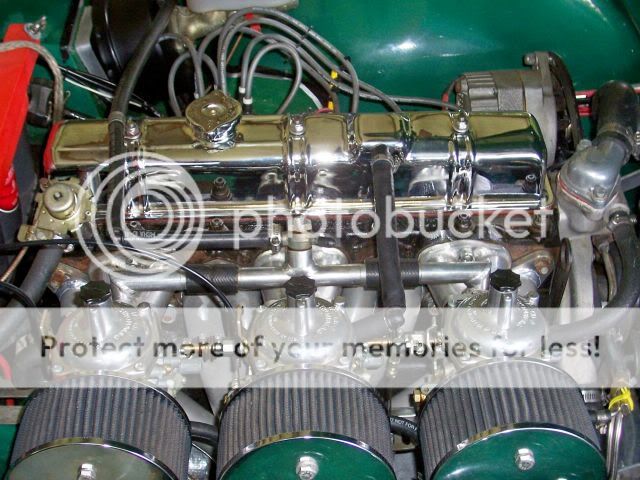
If you have the ZS carbs, and your engine does not have excessive blow-by due to worn piston rings or the like, there really is enough vacuum in the carbs' evacuation nipples as designed to handle the crankcase pressure.
Too much plumbing may lead to a build up of emulsification inside the hoses and reduce the efficiency and eventually a build up of unrelieved crankcase pressure.
Because of that I went from this:
To this: