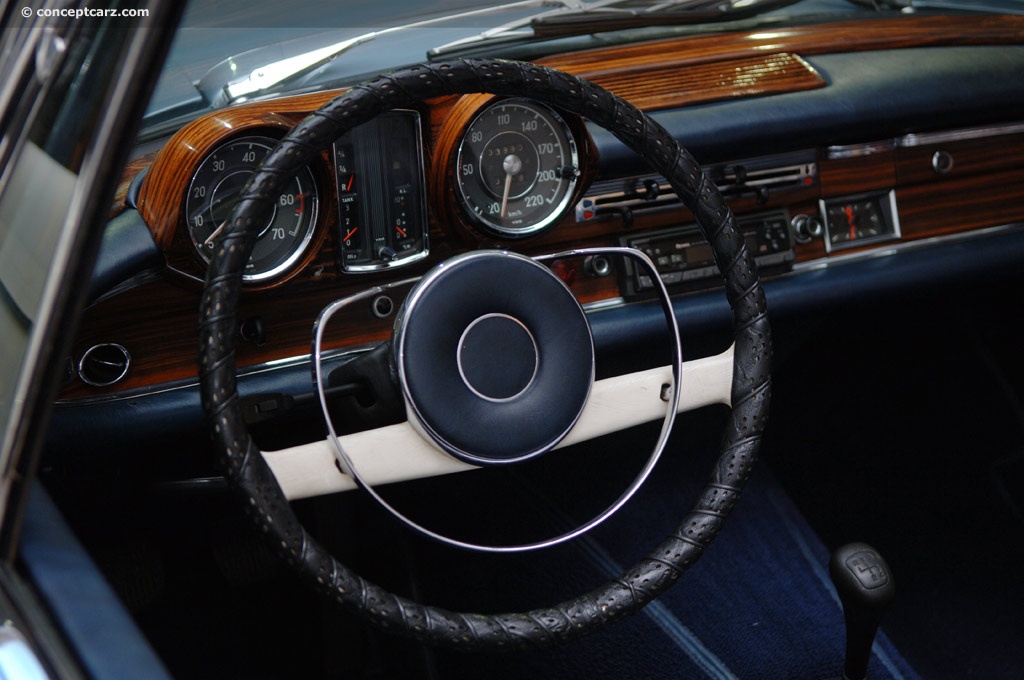
The first mass-produced car with electronic fuel injection on the market was the 1968 VW Type 3 (That does not include older mechanical type systems). Mercedes shared the same Bosch system, and very soon applied it to their cars as well. By the mid 1970s a good portion of German cars were fuel injected. All run by a very simple processor with less power than an Atari system. The last cars sold in the U.S. with carbs were the 1990 Olds Custom Cruiser, and it's sister, the Buick Estate Wagon. Small trucks, Isuzu held out until 1994, and bigger trucks, the last holdout was the Jeep Grand Wagoneer in either 91 or 92. In between there is an ever shifting balance towards computer control. In my opinion, newer cars are just flat out far more reliable than older cars. And they require only a fraction of the maintenance of older cars. It's just that when something does give, it is usually complicated and expensive.
If you're going old, then go OLD. stay away from late 70s and 80s cars that are running carbs loaded to the hilt with emissions equipment, or electronic feedback systems. They were in the Band-Aid stage of development and can be far more frustrating than trying to diagnose a computer car. Get back into the days when things were still purely mechanical, or keep in the modern era and get yourself a little scan-tool.


 Hey Guest!