• Hey Guest!
    British Car Forum has been supporting enthusiasts for over 25 years by providing a great place to share our love for British cars. You can support our efforts by upgrading your membership for less than the dues of most car clubs. There are some perks with a member upgrade!

    **Upgrade Now**
    (PS: Upgraded members don't see this banner, nor will you see the Google ads that appear on the site.)
Tips
Tips

The weight of compressed air.

Rhodyspit75

Jedi Knight
Country flag
Offline
I'm sure most people have heard about the accusations about the Patriots deflating the footballs last Sunday. Most of the investigative talk is about the league weighing the footballs to determine if they were underilflated.

I've also read the opinion that the officials should how been able to feel that the balls were lighter.


So my questions are, how would you weigh a football to determine if it has 2 or 3 psi less than it should? Also would it be possible to feel the difference in weight?

Please don't turn this into a discussion about whether it actually happened. (Yes, I'm a Patriots fan) :joyous:
 
Hmmm... not sure of an answer to that question; don't think it would make any difference, though. (Also reminds me of the Cosby routine: "Why Is There Air?")
 
If the ball felt low when the ref checked prior to the game he should have simply checked the pressure with a small air pressure gauge. This also applies to balls that may have to much pressure. Soccer refs do it all the time prior to the start of the game.
 
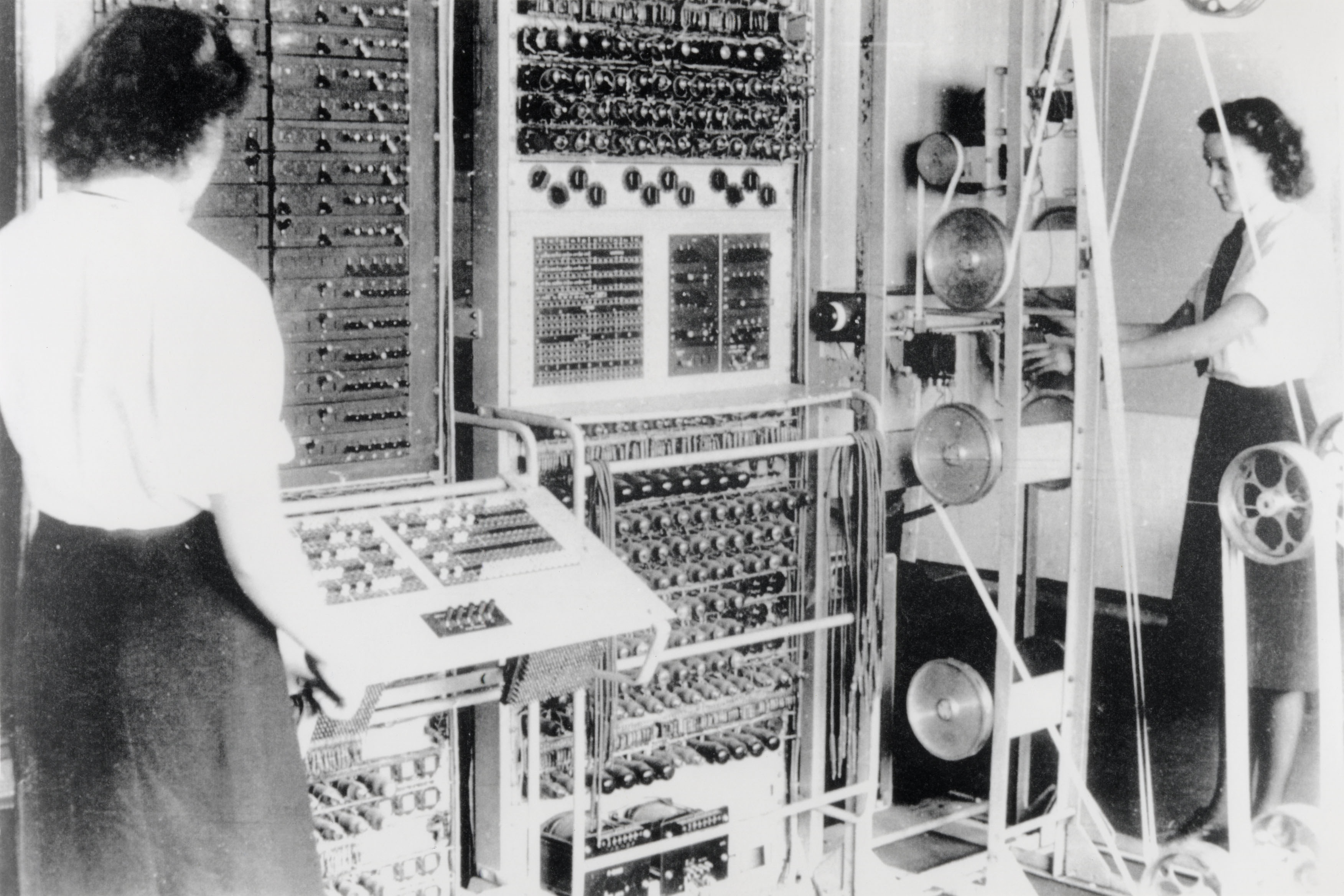
I'm still missing something. Whether there's any air inside or not, the ball still weighs the same. But if it's been slightly deflated, it's softer and easier to grip. Adding or subtracting air isn't going to make appreciable difference in the weight - unless you've got a *really* sensitive scale like this:
Colossus.jpg


:jester:
 
I had noticed that.... the air pressure inside of a ball will make no difference to the weight. In fact wouldn't the rain that was falling make the ball somewhat heavier owing to the water that would have been soaked up by the leather? But this is the NFL, don't forget. ;-)
 
In theory there could be a difference in weigh since air has mass and the more mass in a given area the more it should weigh. However I don't think a football has the size or ability to hold enough air for it to make a noticeable difference that way. More likely the thought is that a slight under inflate will make the ball less likely to bounce from the hands since it should deform a bit more when hitting them.
 
According to one source I found, an un-inflated football weighs 411 grams and an inflated football weighs 421 grams. The difference of 10 grams is about .35 ounces. If the theoretical football was under-filled by 25%, that would be a weight difference of 2.5 grams or about 0.088184904873951 ounces. That would be difficult to measure on a scale in a lab under excellent conditions. On the sidelines, during a cold and wet game - yeah right. Now if the footballs were filled in a warm locker room and brought out into the cold, they might "deflate" slightly but come on. I call sour grapes on this one.
 
One of the local sports guys noted that if this story is true, then instead of being beaten 42-7 Indy might have made it 42-14 with properly inflated balls...
 
Some body muss think they use the same ball all the way through the game.It was that NEWTON/Carrol thing that got em---
 
On the sidelines, during a cold and wet game - yeah right. Now if the footballs were filled in a warm locker room and brought out into the cold, they might "deflate" slightly but come on. I call sour grapes on this one.


One party definitely has lighter equipment than the other. :wink:
 
Last edited:
WEIGHING?!?!? Whoever started that tale needs their brain weighed.Or their intercranial pressure checked. :smirk:
 
It seems to me that elasticity, not weight, would be the issue. An under inflated ball would react differently when kicked, and might bounce less enthusiastically. Years ago I played tennis at a high altitude place in CO, and the tennis balls we lowlanders brought were useless. I'd never heard of high-altitude tennis balls, but they were (and are) commonly available.
 
Now I'm wondering if inflated heads weren't involved...
 
An under inflated ball is gonna be softer, making it easier to throw and catch because you can get a better grip on it. That works for both teams though. The only reason I can see for doing it is if you think your passer and receivers are not quite as good as your opponents. So maybe it helps your guys a little and the better guys don't need the help so much.
 
It seems to me that elasticity, not weight, would be the issue. An under inflated ball would react differently when kicked, and might bounce less enthusiastically. Years ago I played tennis at a high altitude place in CO, and the tennis balls we lowlanders brought were useless. I'd never heard of high-altitude tennis balls, but they were (and are) commonly available.

Apparently they use different balls for kicking than for possession play, inflated differently and not roughed up like those they play downs with. And inflated slightly more. I'd guess if there was a reason to remove pressure from the possession balls it wouldn't apply to the kicking balls since you're using them to turn over and might want something the other guys would find a bit harder when catching.
 
Seems like the easy answer is just to have the League provide all the balls. The NFL makes billions upon billions of dollars and they insist to make the teams ante up for 12 footballs per game? Then again, the NFL hasn't really been very good in the balls department as of late.
 
Well ... seems to me that who owns all those footballs isn't a problem. It's what was, or wasn't, done with them that's the issue. Anyone could easily puncture the balls to slightly deflate. Weather temps and even the handling by the players and the coaches, etc., could change pressure.

Here's a good overview:

https://www.bostonglobe.com/sports/...d-footballs/7UlPZI3eotRTBadM89saeO/story.html

Something that's still puzzling to me - if officials knew some balls were underinflated by halftime ... why the heck didn't they check all the balls before the second half?
 
It's now being called "Deflate Gate"... LOL

Sure it sneaky (and I didn't know that each team uses its own ball on offense). Interesting that it took an interception to get suspicious.
 
Back
Top