• Hey Guest!
    British Car Forum has been supporting enthusiasts for over 25 years by providing a great place to share our love for British cars. You can support our efforts by upgrading your membership for less than the dues of most car clubs. There are some perks with a member upgrade!

    **Upgrade Now**
    (PS: Upgraded members don't see this banner, nor will you see the Google ads that appear on the site.)
Tips
Tips

Front valance work -

tdskip

Yoda
Country flag
Offline
I tried drilling out the spot welds, and that didn't go so well. My spot weld cutters were too big, but the drill bits I had too small. More importantly, you have to drill through metal in some cases I'd rather leave intact for alignment proposes and drill in the replacement panel instead. In any case, I did this a bit unconventionally but the end result is that the original panels are completely intact.

I ended up using a combination of a grinding disc, cutting wheel on a Dremel and a sharpened screw driver and hammer to slice the metal once it was weakened. It took a fair amount of time, probably about 4 hours of total time, but the inner fenders are completely intact now and were not distorted or weakened. Like I said, not the recommended way of doing it but it worked.
1971TR6frontvalance8-28-0910.jpg


1971TR6frontvalance8-28-095.jpg


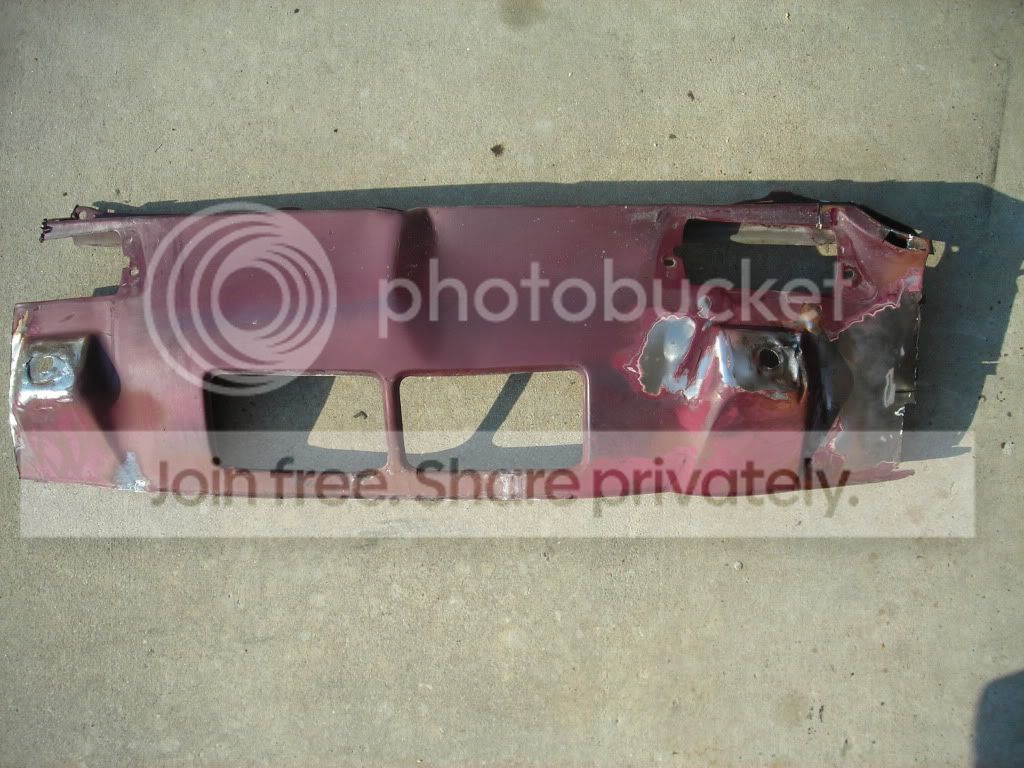
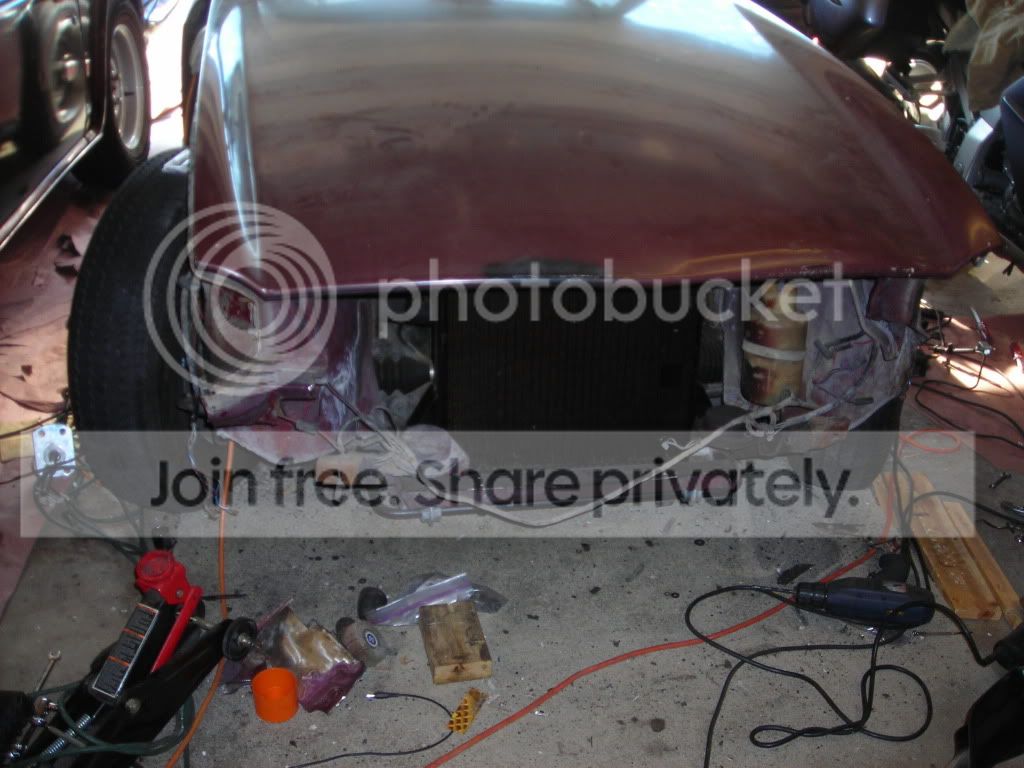
You can probably see that I decided to remove the main section of the valance to allow better access to the section where the valance attaches to the headlight area. I also left the top section of the valance intact to provide some rigidity until I braced the inner fenders
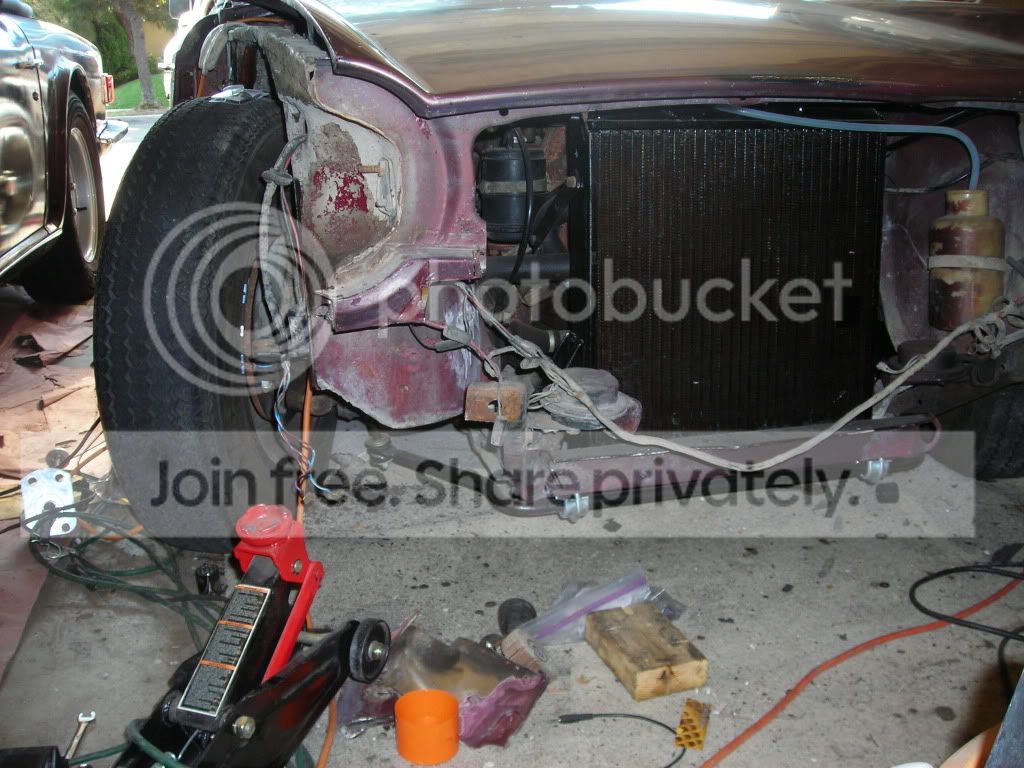
1971TR6frontvalance8-28-097.jpg


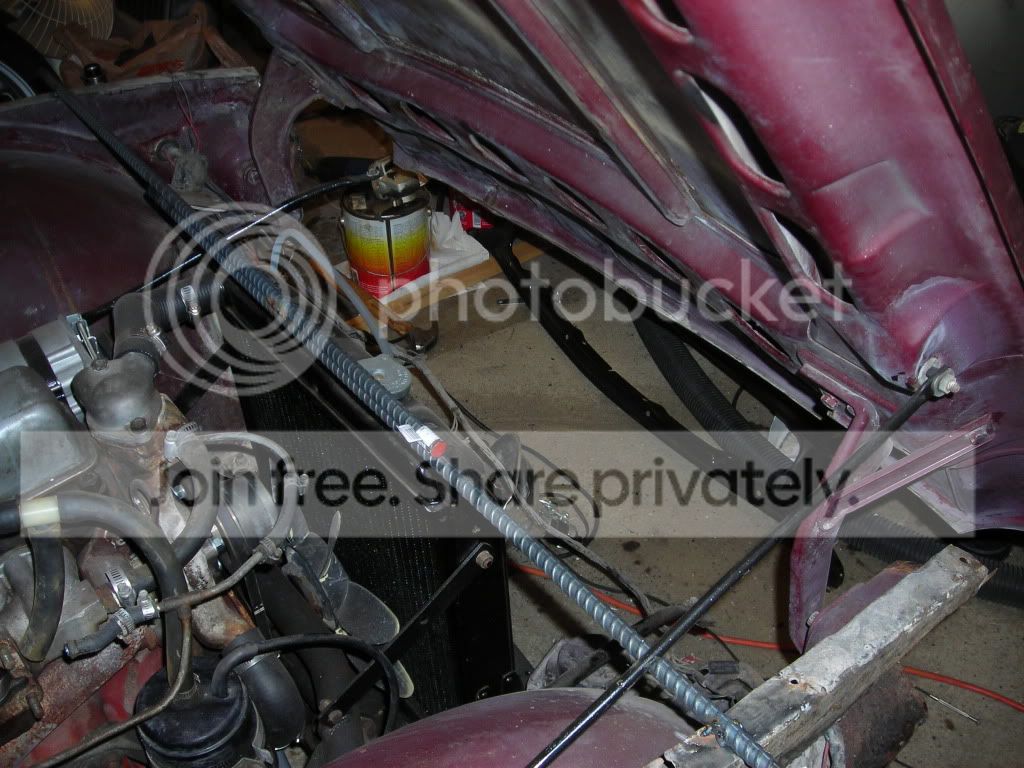
I also decided to leave the hood in place to help me gauge the alignment of the front panel a bit better. Removing the valance removes a lot of strength from the front assemble where it joins the two inner fenders so I welded some rebar together and used that to brace the fenders.
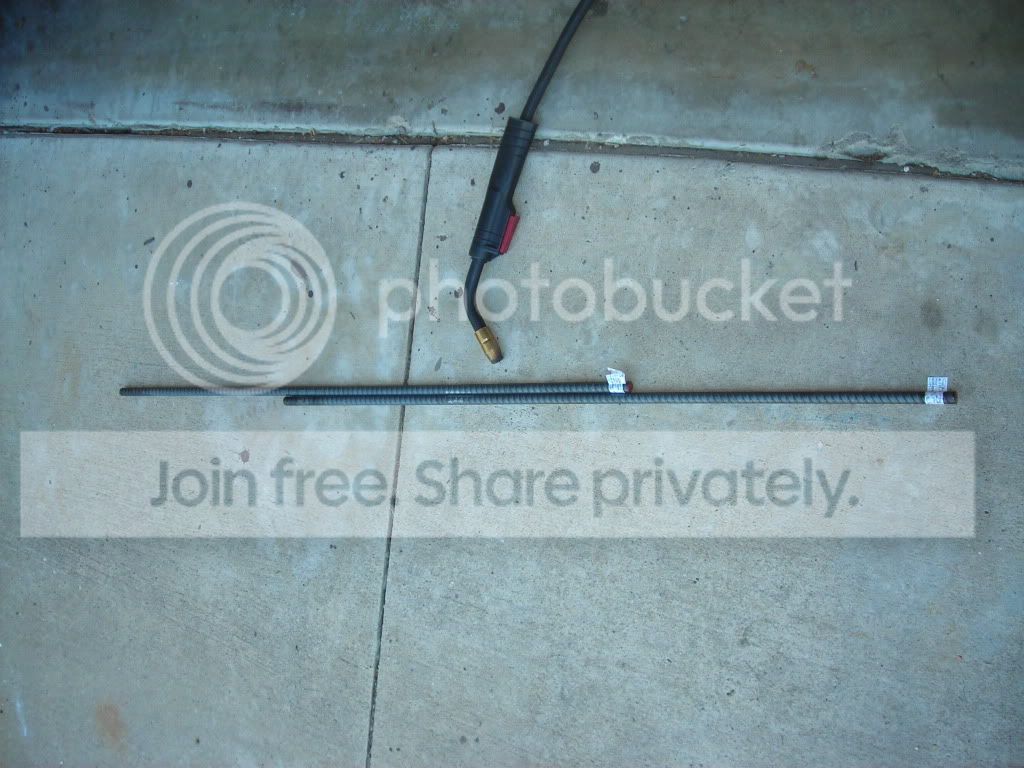
1971TR6frontvalanceremovalm8-30-092.jpg


It was nice to just be able to crank up the power and wire feed to weld some substantial metal together, especially since it could be ugly.
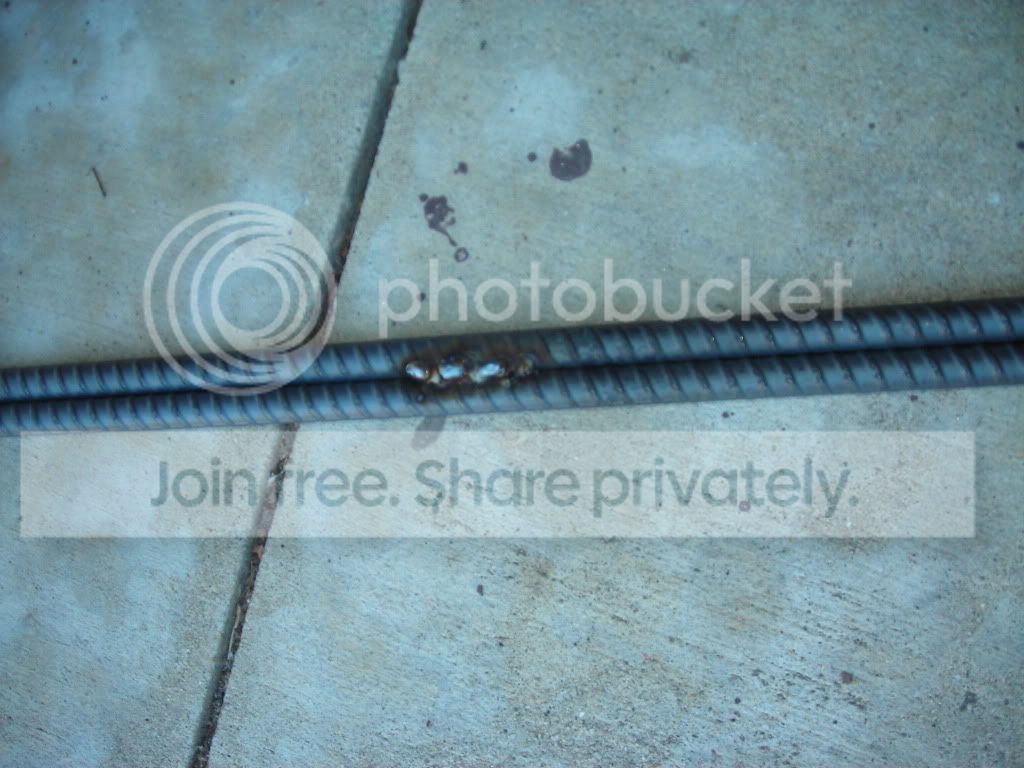
1971TR6frontvalanceremovalm8-30-093.jpg


The rebar brace seems to be working OK, but there is some flex to it and if I planned better I'd probably have utilized a more rigid material. Don't sneeze! Actually it only has to brace the fenders and help hold alignment for a little bit, and hopefully I have some strength back in it tonight via welding in the new valance.
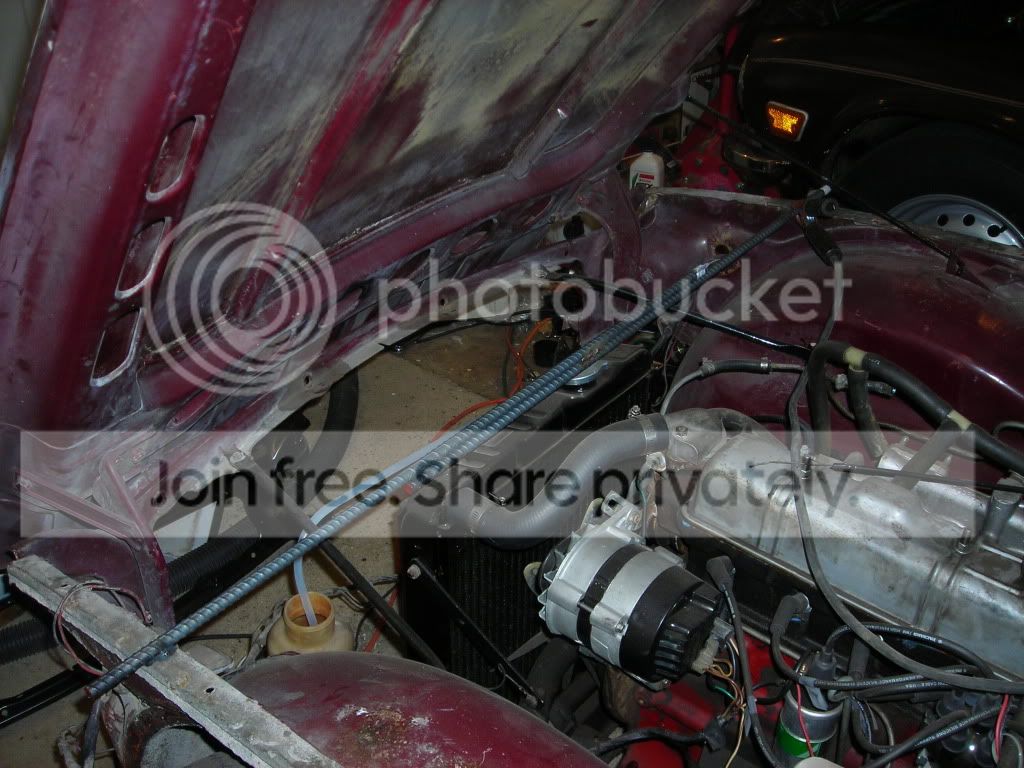
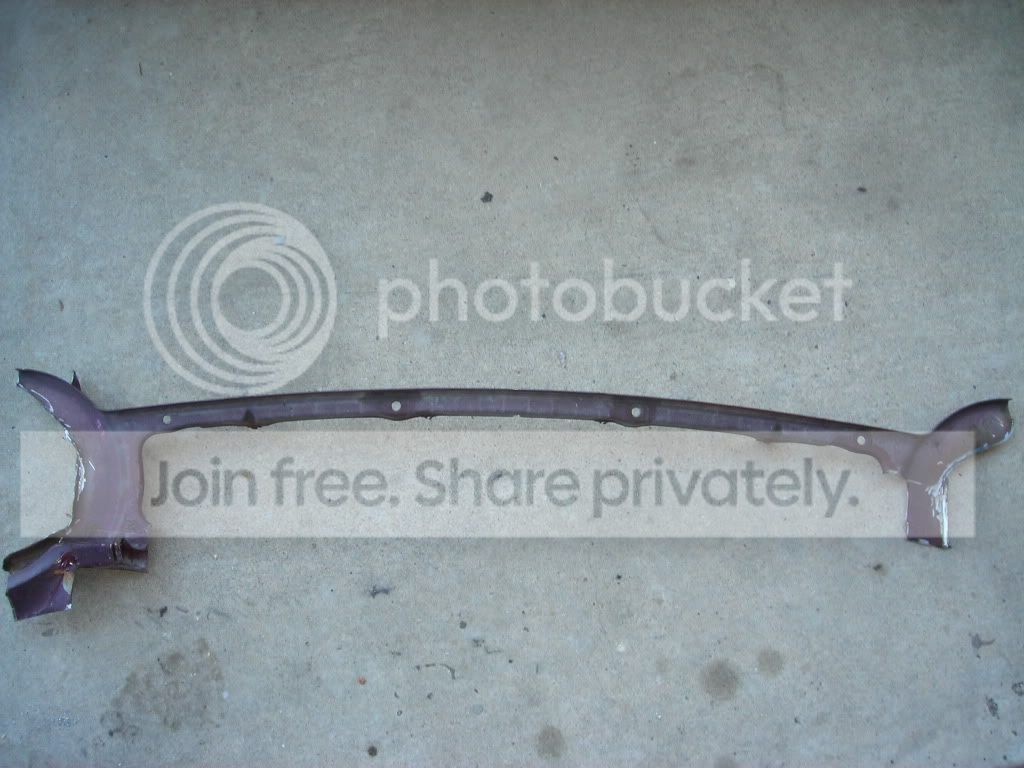
1971TR6frontvalanceremovalm8-30-095.jpg


1971TR6frontvalanceremovalm8-30-098.jpg


1971TR6frontvalanceremovalm8-30--1.jpg
 
Nice job! Did you spot weld that rebar in place before the valance removal?
 
I did Pete. I removed the large bottom section almost right away since I had rot on either side bottom and wasn't contributing any strength to the assembly. The top section, second to last picture, was after the rebar was tack-welded to the fender tops.
 
Don't let anybody tell you that's not how it's done.

It done how you feel it's best for the situation.

Nicely done.
 
Thanks Steve.

And for what it is worth I just did a test fitting of a TR6 valance sourced through a Moss distributor and it fits great. Really great actually.

I just sent them a note saying "Thanks", and if anyone else is going down this path I'd strongly recommend the Heritage valance.
 
Wow, you are having to work that I thankfully did not. Keep it up and you will be a pro in no time. Nice work!!! I used the same combination of tools as well, with the dremmel with little fiber re-enforced cutoff wheels coming very handy in those tiny spaces.
 
Before installing the valance, take a measurement from the back corners out to the same point on each of the inner fenders to make sure they are the same and there is no straightening necessary. Before final welding, make sure the diagonal measurements are the same. Use the back corners of the engine compartment and measure diagonally out to the connecting point of the valance. These must be the same for things to be square.
My concern about the hood being in place is that the metal can still flex. The rebar will keep fenders at a consistant distance at the top, but won't keep them from twisting from the weight away from that point. Your best access for welding is when the hood is open, and that's putting a lot of weight on the inner fenders. I would strongly consider removing the hood.
I'm not saying your method will not work, I'm just concerned that the hood could work against you in the end.
 
Tom,

Also, before installing the valance panel, PLEASE take the time to test fit each parking lamp into it's respective hole in the panel.

That extra 1/8" of material all around the openings that has been in some of the BM panels is a time consuming pain to grind out. The metal is a heavy gauge, for sure, thus harder to grind.
 
Thanks guys. I appreciate the input <span style="font-weight: bold">and</span> that you are comfortable calling out potential issues.

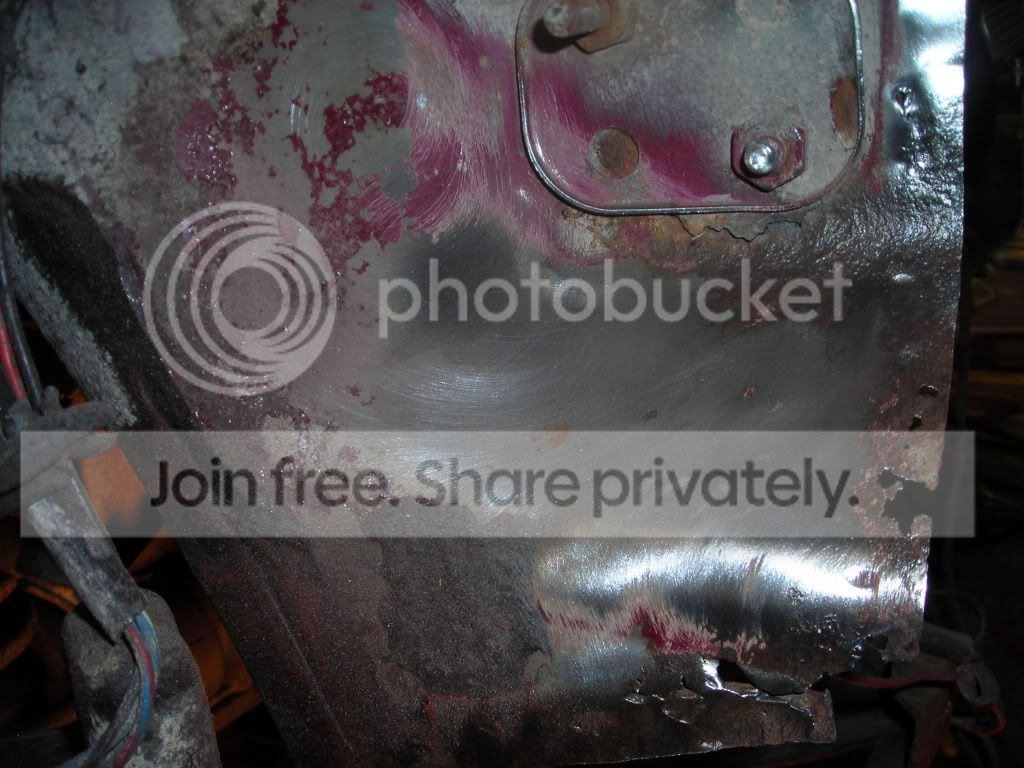
Looks like the good is going to have to come out anyway, since I just got done stripping the undercoating and paint from around the hood hinges and it doesn't look good.

1971TR6FrontValancerepair8-30-09.jpg
 
I might recommend taking the body to a media blaster that specializes in old cars. I had mine blasted and it saved me a ton of work. I also knew exactly what I was dealing with, no hidden surprises. It depends on what your end goal is but I highly recommend this avenue.
 
I debated that, but decided to just wire brush everything as I went since it was going to take me a long time to actually finish the work on this car I didn't want to have any more exposed metal than what I was going to be working on at any one point.

I'm debating doing all of this sort of repair and then getting her blasts to make sure I didn't miss anything still.

In any case, all of this is going to be painted with POR15 before she goes back together.

I put out some requests for original replacement metal for these sections, we'll see if anyone has anything for me.

Thanks, and please keep the ideas, coaching and "whoa, I wouldn't do that" coming.
 
The advantage of doing this yourself is that you can take 4 hours doing something with a dremel tool. You aren't trying to clear overhead and get the thing back out the door.

If I was trying to make money at this it would be competely different.

RE: the hinge area...

I've seen worse.
 
Hi Steve - yeah, my bill rate is a bit lower than a commercial shop since I'm doing this for myself. Probably a negative hourly rate - lol.

Anyway, any tips on dealing with the hinge section?

Thanks!
 
not at all sure what I am looking at.

but if the majority of the metal is sound, I would just patch in the holes. fiddly and time consuming, but we've already gone over that in this thread.
 
Back
Top